
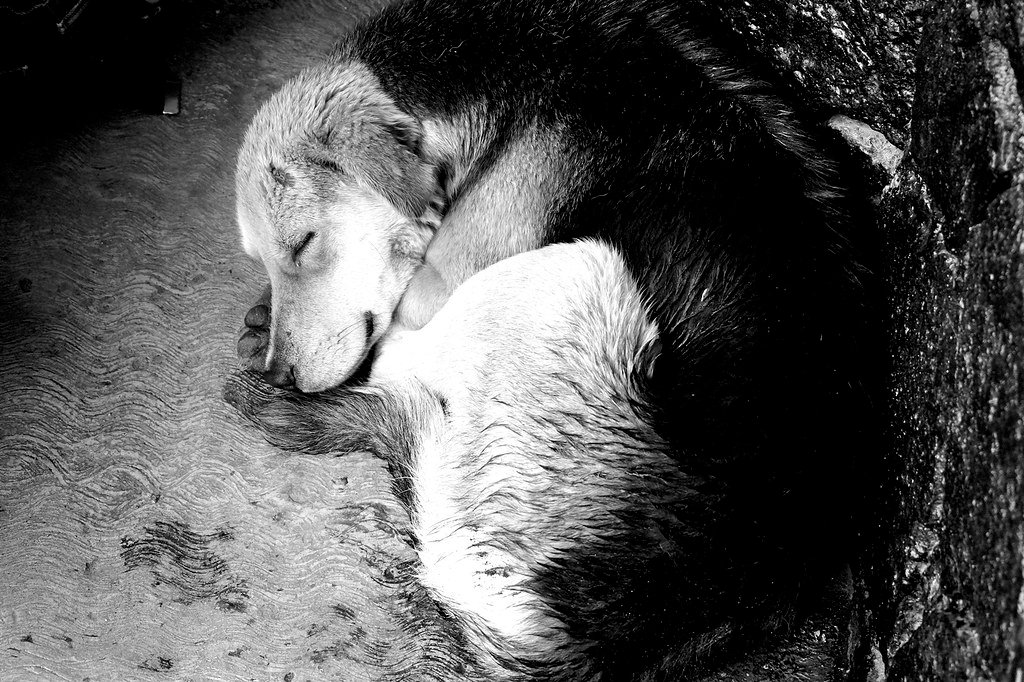
What do you do when the dog who has shaped your daily life is suddenly gone? There is no single correct way to grieve, and there is no timetable that works for every pet parent. Whether your dog died quietly at home, after an illness, or with veterinary help, the first days can feel both heartbreaking and strangely practical. This guide offers gentle, vet-informed steps for the decisions in front of you, while making room for the love and sadness that come with pet loss.
The first hours and days
In the immediate aftermath, focus on one small decision at a time. If your dog died at home and you are unsure what to do next, call your veterinary clinic. The team can explain transport, cremation, burial, and local requirements. Many clinics work with trusted aftercare providers and can arrange collection, so you do not have to organise everything alone.
If you are considering a home burial, check council, state, provincial, or local rules first. Requirements can differ by location, property type, and the cause of death. A veterinarian can also advise if your dog had an infectious condition or received medication that affects handling or burial choices. There is no prize for deciding immediately. If possible, ask a trusted person to sit with you, take notes, or make phone calls.
Give yourself permission to say goodbye in a way that feels right. You might speak to your dog, take a final photograph, save a collar tag, or simply sit quietly. If saying goodbye feels too painful, that is also a valid response. Love is not measured by one final ritual.
What pet loss grief can feel like
Grief after a dog dies can affect your whole body. You may cry unexpectedly, feel numb, sleep badly, lose your appetite, or notice a tight chest and aching muscles. Some people replay the final appointment or wonder whether they acted too soon or waited too long. Others feel relief that suffering has ended, followed immediately by guilt about that relief. These reactions can coexist. They do not mean you loved your dog less.
Daily routines can make the loss feel newly real. Reaching for the lead, listening for paws, or filling a food bowl can trigger a wave of sadness. Try to keep a few basic anchors, such as drinking water, eating something simple, getting outside, and accepting practical help. You do not need to make major life decisions while the shock is fresh. Grief often changes shape rather than disappearing, and difficult days may return around birthdays, holidays, or familiar walks.
Making aftercare decisions without pressure
Common choices include communal cremation, individual cremation, burial through a pet cemetery, or a private burial where permitted. Ask clear questions about identification, transportation, ashes, timing, and the return of keepsakes. Reputable providers should explain exactly what service you are paying for and should not pressure you into an expensive package.
Prices vary widely across the US, UK, Australia, and Canada. A lower-cost choice is not less loving, and a more elaborate choice is not automatically better. Consider what will support you later. Some people want ashes at home, while others prefer a scattering ceremony or no physical reminder at all. If a decision feels impossible, ask the clinic whether you can delay collection of ashes or change a keepsake order later.
| Product | Best for | Price range | Why it works |
|---|---|---|---|
| Inkless paw print kit | A simple keepsake | About US$12 to US$30 | Creates a clean print without ink touching the fur or skin. |
| Clay paw print kit | A tactile memorial | About US$10 to US$25 | Lets you preserve a raised impression for a frame or shelf. |
| Memorial photo frame | A favourite portrait | About US$20 to US$60 | Gives a meaningful photo a dedicated place in your home. |
| Small keepsake urn | Private cremation ashes | About US$30 to US$150 | Offers a secure, personal container in a style that suits you. |
| Remembrance journal | Recording stories and feelings | About US$10 to US$25 | Provides a private space for memories, photos, and letters. |
Helping children and other pets
Children usually cope better when adults use simple, honest words. Saying that a dog died is clearer than saying the dog went to sleep, which can create fear around bedtime. Invite questions and answer only what the child asks. A drawing, letter, memory box, or small ceremony can help them participate. Reassure them that feeling sad, angry, or fine on a particular day is normal.
Other pets may notice the missing companion. They can search rooms, vocalise, sleep more, or become clingy. Keep feeding and walking routines as steady as possible, and offer calm attention without forcing interaction. Do not rush to bring home another dog solely to remove the silence. If a surviving pet stops eating, seems unwell, or shows persistent behaviour changes, contact your veterinarian rather than assuming it is only grief.
The two things you’ll be tempted to do (and shouldn’t)
- Don’t rush to get another dog. Not yet. A new dog won’t replace this one. Give yourself time. Most people we’ve talked to needed at least 2-3 months before they were ready.
- Don’t throw away their things immediately. The bowl, the bed, the collar. Put them in a box if you have to. You can decide later. The first day isn’t the day to decide.
If you’re making the decision now (euthanasia)
Some of you reading this are in the room with a senior dog who’s struggling. You’re trying to figure out if it’s time.
The honest answer: there’s no perfect day. There’s only the day when the bad days outnumber the good ones. Your vet can help you assess – the HHHHHMM scale I mentioned in our senior cat article works for dogs too.
What I can tell you from the four times I’ve been in that room: it’s better to be a week too early than a day too late. Dogs don’t fear the end the way we do. They live in the moment. If their moments are mostly pain, you have given them the gift of release.
Be in the room. Stay until the end. They’ve been with you for everything else. Be with them for this.
Building a gentle memorial
A memorial does not need to be elaborate. Choose something that reflects who your dog really was: a framed muddy-paw photograph, a garden plant, a donation to an animal charity, or a walk on a favourite route. You could write down the small details that made your dog unique, such as the sound of a happy sigh, a peculiar sleeping position, or the way they greeted visitors. These ordinary memories often become the most comforting ones.
Some families set aside a quiet place for a photograph and collar. Others prefer a digital album or a yearly act of kindness. If you share memories online, decide how much contact you want with comments and messages. It is okay to mute notifications or ask someone else to manage replies. Memorial choices can change over time, and you are allowed to put items away if seeing them is too difficult.
When extra support is needed
Pet loss is a genuine bereavement, even when other people do not understand its depth. A veterinarian, pet loss counsellor, grief therapist, or support group can offer specialised help. Look for services through veterinary hospitals, animal welfare organisations, hospice providers, or professional counselling directories in your country. Online groups can be valuable, but choose moderated spaces that respect different choices about euthanasia, aftercare, and memorials.
Contact a health professional if intense distress is stopping you from sleeping, eating, working, or caring for yourself for an extended period. If grief brings thoughts of harming yourself or not wanting to live, seek urgent help through your local emergency service or crisis line and tell someone you trust right away. You deserve support, and asking for it does not diminish your bond with your dog.
Questions pet parents ask
How long does grief after a dog dies last?
Q: When should I expect to feel normal again?
A: There is no fixed schedule. The sharpest pain may ease gradually, but grief can return in waves for months or longer. Healing usually means carrying the relationship differently, not forgetting your dog.
Did I make the right euthanasia decision?
Q: I keep wondering whether I chose the right time.
A: Many loving owners question themselves. Ask your veterinarian to explain the medical reasoning if you need clarity, and remember that preventing suffering can be a compassionate final act. Doubt is a common part of grief, not proof that you failed.
Should I keep my dog’s belongings?
Q: I cannot decide what to do with the bed, toys, and food.
A: You do not have to decide today. Put items in a box or spare room until the decision feels less urgent. Keep, donate, or discard them later according to what helps you, not what anyone else expects.
Is it helpful to get another dog?
Q: Would a new dog help me cope?
A: A new relationship can eventually be joyful, but it should not be treated as a replacement or emergency cure. Wait until you can consider the needs, cost, time, and personality of another dog without feeling pushed by guilt or silence.
How can I support a friend who lost a dog?
Q: What should I say or do?
A: Use the dog’s name, acknowledge the loss, and offer specific help such as a meal, a lift to the clinic, or company on a walk. Avoid saying it was only a dog or suggesting they move on. Listening is often the kindest gift.
Bottom line: When your dog dies, there is no perfect script and no correct speed for grieving. Get practical guidance from your veterinary team, make aftercare choices without pressure, care gently for yourself and surviving pets, and create a memorial only when it feels right. Your dog’s life was a real relationship, and the love that remains deserves patience, honesty, and support.